What a Device Driver Is: An Encyclopedic Overview
An educational reference outlining the device-driver concept in computing — its role between the operating system and hardware, and how the major operating systems frame it.

An educational reference outlining the device-driver concept in computing — its role between the operating system and hardware, and how the major operating systems frame it.
A device driver is a small piece of software that acts as a translation layer between an operating system's generic interfaces and the specific protocol used by one piece of hardware. The concept is well established in operating-system theory and is documented in the official developer references for the relevant operating system.
Without drivers, an operating system would have no defined way to issue commands to peripherals beyond the CPU and memory subsystem. The translation-layer model lets the same operating system support a wide range of hardware while keeping the device-specific code isolated to the driver.

On Windows, driver packages are tracked in the driver store at C:\Windows\System32\DriverStore. On Apple macOS, driver code is bundled within the operating system, with newer drivers built on Apple's DriverKit framework. On Linux distributions, drivers most commonly take the form of kernel modules loaded from /lib/modules at runtime.
The lifecycle of these driver packages is handled by each operating system itself, through documented update channels such as Windows Update, the Apple system updater, or the package manager of the relevant Linux distribution.
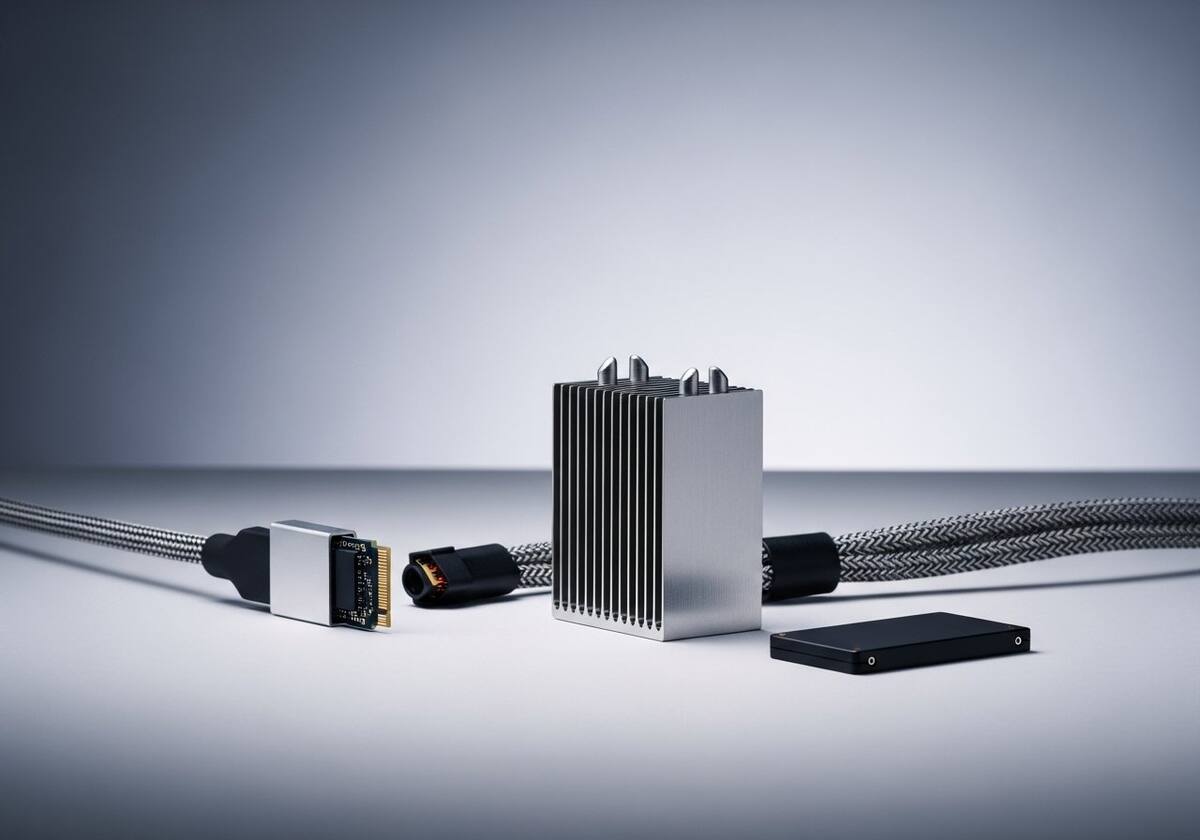
Operating systems generally distinguish between kernel-mode drivers, which run with privileged access alongside the operating-system kernel, and user-mode drivers, which run in a more isolated context. The vendor documents this distinction in the User-Mode Driver Framework (UMDF) and Kernel-Mode Driver Framework (KMDF) on the Windows Hardware Developer documentation.
Vendor signing requirements and curated update channels — such as Windows Update for Windows drivers — are part of the documented quality and integrity story for these driver models. This page is a general background reference, not a diagnostic of any particular machine.

The questions readers send us most often on this topic.
Windows, macOS, and most Linux distributions handle driver installation automatically through their documented update systems.
Firmware resides on the hardware device itself; a driver resides on the host computer. Both are described in the standard operating-system literature.
No. Each operating system defines its own driver framework, and drivers are written against the framework of one operating system.
Hand-picked articles that pair well with this one.
Our knowledge section collects further plain-English background articles on how device drivers are organised on Windows, macOS, and Linux.