Quick Fix Overview

Screen Flickers, Goes Black, or Glitches

Flickering displays, sudden black screens, or weird coloured artifacts are alarming — but the fix is almost always a clean reinstall of your graphics driver. Here is the gentle, step-by-step way to do it.

Difficulty: Medium ~10–20 minutes No tools needed
HomeKnowledgeScreen Flickers / Black
60-Second Quick Fix

Try This First — The Display Reset Combo

  1. On Windows, press Win + Ctrl + Shift + B to instantly reset the graphics driver. The screen will go black for a second — that is normal.
  2. If the issue is on an external monitor, unplug the video cable, wait ten seconds, and plug it firmly back in.
  3. Restart the computer once before changing any other settings.
What's Actually Happening

Why Displays Flicker or Go Black

Your graphics driver is responsible for pushing tens of millions of pixel updates to your screen every second. When it is healthy, you never notice it. When it gets confused — usually because of a driver update gone wrong, a cable issue, or a refresh rate mismatch — the symptoms are immediate and dramatic. Flickering is the driver and the display disagreeing on timing. Black screens are the driver crashing and the operating system trying to recover.

External monitors add a second possible failure point: the cable. A loose or cheap HDMI or DisplayPort cable can cause exactly the same symptoms as a driver problem, which is why the very first step is always to physically unplug and reseat the cable. If the issue clears, you have your answer.

The third common cause is a refresh rate mismatch. If your monitor is rated for 60 Hz but the driver is trying to push 144 Hz, you get flicker, black-outs, or visual artifacts. Setting the refresh rate to one your monitor officially supports is a free, instant fix.

Why Displays Flicker or Go Black
The Calm, Step-by-Step Fix

Stop the Flickering, Step by Step

Work through these in order. Most readers solve the problem by step three — and almost everyone by step five.

1 Reset the Graphics Driver Without Restarting

Reset the Graphics Driver Without Restarting

Windows has a built-in shortcut that resets the graphics driver instantly. The screen blacks out for a second and comes back fresh.

  • Press Win + Ctrl + Shift + B at the same time.
  • The screen flashes black, then returns.
  • If the flickering stops, you may not need to do anything else.
2 Check and Reseat the Display Cable

Check and Reseat the Display Cable

If you use an external monitor, the cable is the single most common cause of mysterious display problems. Unplug and reseat it firmly at both ends.

  • Power off the monitor.
  • Unplug the cable from both the monitor and the computer.
  • Inspect both ends for bent pins or visible damage.
  • Plug back in firmly. Try a different cable if you have one.
3 Match the Refresh Rate to Your Monitor

Match the Refresh Rate to Your Monitor

If your driver is pushing a higher refresh rate than your monitor officially supports, you get flicker. Drop it down to a safe value as a test.

  • Open Display settings → Advanced display settings.
  • Find the Refresh rate selector.
  • Drop it to 60 Hz as a baseline test.
  • If flicker stops, work back up to your monitor's official rating.
4 Roll Back the Graphics Driver

Roll Back the Graphics Driver

If the flicker started after a recent driver update, the previous version was probably fine. Roll it back as a quick test.

  • Open Device Manager and expand Display adapters.
  • Right-click your graphics card and choose Properties → Driver.
  • Click Roll Back Driver if the option is available.
  • Restart and test.
5 Clean-Install the Latest Stable Driver

Clean-Install the Latest Stable Driver

If rolling back did not help, do a full clean install of the latest stable driver from your GPU maker's official site.

  • Visit your GPU maker's official driver download page.
  • Pick the latest 'Stable' or 'Production' branch — not Beta.
  • Run the installer and choose the Clean Install option if offered.
  • Restart and test.
Common Root Causes

Why This Happens In the First Place

Tap any cause to read the friendly explanation behind it.

Why is the flicker only on one monitor in a multi-monitor setup?
Almost always a cable or refresh-rate issue specific to that monitor. Try a different cable and confirm the rate matches the monitor's spec.
Why does the screen go fully black for a second every few minutes?
That is the graphics driver crashing and being recovered automatically by the operating system. A clean install of the latest stable driver from your GPU maker is the fix.
Why do I see weird coloured pixels or boxes on the screen?
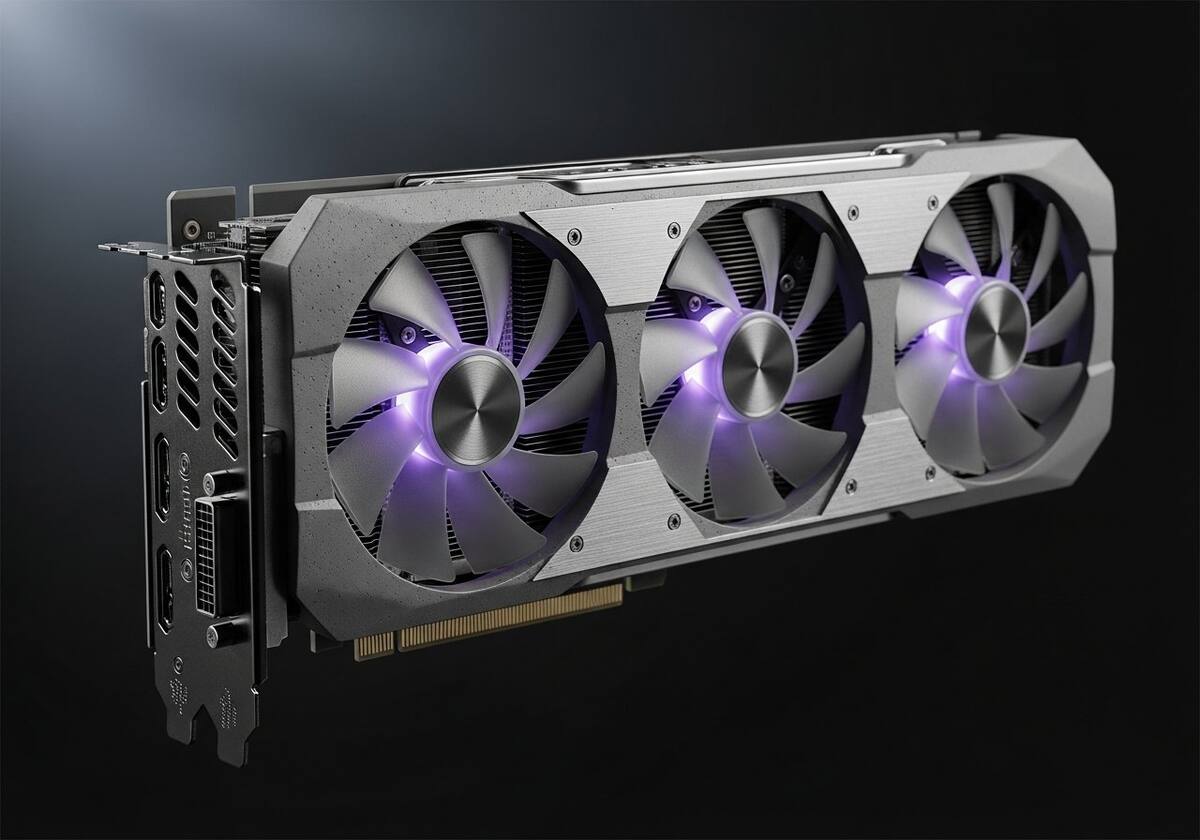
Visual artifacts are a more serious sign — usually a sign of a graphics driver bug, an overheating GPU, or in some cases failing video memory. Reinstall the driver first; if the issue persists, monitor GPU temperatures.
Why is everything fine in safe mode?
Safe mode loads only a generic display driver. If your problem disappears in safe mode, that confirms your installed graphics driver is at fault.

What Not To Do

Avoid third-party "driver updater" tools that promise instant fixes. They often install bundles you do not need and occasionally cause the very problems they claim to solve. Stick to the official manufacturer support page for your device.

If It Still Will Not Cooperate

If you have worked through every step and the problem persists, the issue may be hardware, not software. Try the device on a second computer if you can. If it still fails, that is a strong sign the device itself is at fault.

A Calming Reminder

Almost every problem on this page has a fix that takes less time than making a cup of tea. Take a breath, work through the steps in order, and you will get there.

Keep Reading

Related Overviews You Might Like

Did This Overview Help You Out?

If it did, share it with a friend who might be staring at the same frustrating screen. If it did not, drop us a line — we genuinely want to make these overviews better.